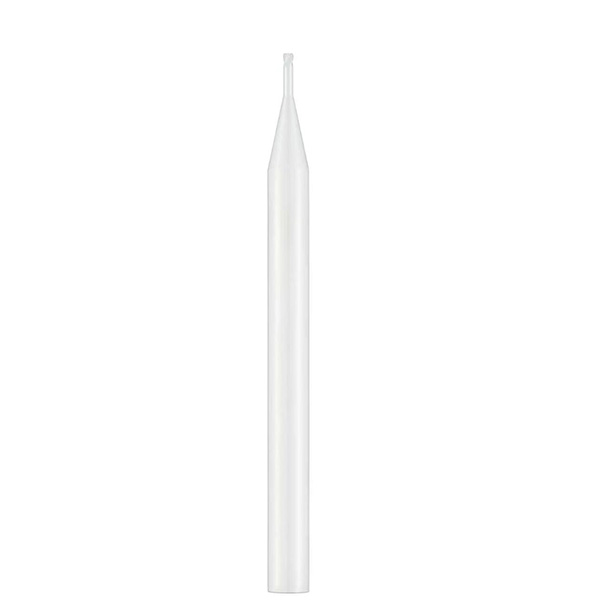

Dongguan Alla CNC Tools Co., LTD
Specializing in R & D, production and sales of cutting tools
Specializing in R & D, production and sales of cutting tools


Ultra-high Hardness and Wear Resistance
Rockwell hardness (HRA) reaches 90-93, with wear resistance 3 to 5 times that of cemented carbide. It is suitable for machining high-hardness materials such as carbon fiber and titanium alloy.
Application Scenarios: Long-term cutting of precision mechanical parts and aerospace components.
Excellent High Temperature Resistance
Melting point up to 2700℃. It maintains high hardness at 1200℃, withstands high temperatures generated in high-speed machining and prevents cutting edge softening.
Typical Application: Machining superalloys for combustion chambers of rocket engines.
Chemical Inertness and Corrosion Resistance
It does not chemically react with metals, plastics and other materials to avoid machining contamination, ideal for high-cleanliness fields including medical and food industries.
Advantage: No built-up edge when machining aluminum alloy and titanium alloy.
Low Friction Coefficient
Friction coefficient is approximately 0.4-0.6 with low cutting force, which reduces material deformation. It is especially applicable to thin-walled parts and composite materials.
Applicable Materials: Thermally deformable plastics such as PTFE and ABS.
Durable Sharp Cutting Edge
The micro cutting edge maintains nano-level sharpness, delivering superior surface finish and reducing subsequent polishing processes.
High Brittleness and Poor Impact Resistance
Fracture toughness is only 3-5 MPa·m¹/² (10-15 MPa·m¹/² for cemented carbide). The cutting edge is prone to chipping under vibration or impact. Machining workpieces with notches or sharp angles should be avoided.
Risky Scenarios: Machining complex cavities and interrupted cutting.
Poor Thermal Conductivity
Thermal conductivity is merely 2.0 W/(m·K). Cutting heat tends to accumulate, which may cause thermal damage to workpieces or thermal fatigue of cutters.
Solutions: Equip with efficient cooling systems such as liquid nitrogen cooling and high-pressure internal cooling.
Easy Micro-wear on Cutting Edge
The cutting edge suffers relatively fast micro-wear when machining ultra-hard materials like ceramic matrix composites and fused silica. Regular grinding or coated cutters are recommended.
High Requirements for Equipment
Machine tools with high rigidity and balanced tool holders (speed > 10,000 rpm) are required, resulting in high initial investment costs.
Ceramic cutters are made of zirconia-based composite materials. For tungsten steel (mainly composed of carbon, tungsten and cobalt), its cobalt bonding phase is easily eroded by cutting fluids, coolants or lubricants during service, accelerating the wear of carbide phase. Zirconia can avoid this problem. Its cutting edge stays sharp for more than four times longer than cemented carbide cutters.
Applicable Scenarios of Zirconia End Mills: Copper, aluminum, graphite, industrial plastics and composite materials (based on performance characteristics)
High-temperature and High-speed Machining: For machining nickel-based alloys and titanium alloys in aerospace industry, the high temperature resistance of zirconia effectively reduces cutter wear.
Finishing of Non-ferrous Metals: When machining copper materials, the low friction coefficient reduces built-up edge, extending cutter service life and improving surface finish. It prevents aluminum adhesion during aluminum and aluminum alloy machining, and its low thermal conductivity avoids workpiece deformation caused by cutting heat.
The performance of zirconia ceramic cutters is closely related to material properties when machining pure copper such as red copper. The advantages are listed as follows:
I. Advantages
High Hardness and Wear Resistance
The hardness of zirconia ceramic cutters reaches HRA 90-93, much higher than pure copper (HV 35-45), which significantly reduces cutter wear and extends service life.
Applicable Scenarios: Long-term continuous machining of precision copper alloy parts such as electronic connectors and heat sinks.
Low Friction Coefficient
Friction coefficient is about 0.4-0.6 with low cutting force. It alleviates copper adhesion and built-up edge caused by the ductility of pure copper, and improves surface finish (Ra≤0.8μm).
Advantages: Ideal for machining deformable structures such as thin-walled parts and micro-grooves.
Chemical Inertness
No chemical reaction occurs with copper, preventing copper ion diffusion between cutters and workpieces. It is suitable for medical, electronic and other fields with strict requirements on material purity.
High Temperature Resistance
It retains high hardness at 1200℃, withstands heat generated in high-speed cutting, and prevents cutter softening and thermal expansion deformation of copper workpieces caused by temperature rise.
Engineering Plastics:
Polycarbonate (PC) - Characteristics: High transparency, good rigidity and easy generation of cutting heat.
Advantages: Ceramic cutters feature sharp edge and high temperature resistance, minimizing thermal impact on materials and preventing edge melting or chipping.
Polyoxymethylene (POM) - Characteristics: High rigidity, low friction coefficient and prone to embrittlement.
Advantages: The high hardness and wear resistance of ceramic cutters reduce tool wear and prevent material tearing caused by dull cutters.
Polytetrafluoroethylene (PTFE) - Characteristics: Low friction, high toughness and easy adhesion.
Advantages: Ceramic cutters are non-sticky with sharp edges, lowering cutting resistance and avoiding scratches and burrs on material surfaces.
ABS (Acrylonitrile-Butadiene-Styrene Copolymer) - Characteristics: Comprehensive performance, easy to machine but prone to internal stress.
Advantages: Ceramic cutters generate low cutting force to reduce machining stress, suitable for high-precision cutting.
Nylon (PA) - Characteristics: High toughness and good wear resistance.
Advantages: The high hardness of ceramic cutters effectively cuts off fiber structures and prevents edge curling.
Composite Materials: Carbon Fiber Reinforced Plastic (CFRP)
Characteristics: High strength, high hardness and easy delamination.
Advantages: Ceramic cutters reduce tearing of carbon fibers and ensure smooth cutting surfaces. Zirconia delivers excellent wear resistance to resist abrasive wear from carbon fibers and reduce delamination defects.
Graphite Machining:
Characteristics: High hardness, good wear resistance and chemical inertness
Advantages: Friction during graphite machining easily generates heat. Ordinary cutters such as cemented carbide may oxidize or soften at high temperatures. Zirconia cutters withstand higher temperatures to avoid thermal deformation and failure.
Durable Sharp Edge: Zirconia ceramic cutters are much harder than graphite, maintaining nano-level edge sharpness for a long time and reducing frequent tool changes.
High-speed Cutting Performance: High rotating speed (10,000-30,000 rpm) is usually required for graphite machining to reduce thermal impact. Zirconia ceramic cutters keep high hardness at 1200℃ and endure heat generated in high-speed cutting.
No Built-up Edge: No adhesion occurs during graphite machining to ensure stable cutting performance.
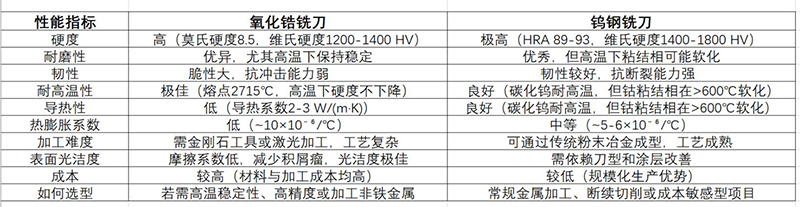
Featuring high hardness, high temperature resistance, low friction and chemical stability, zirconia cutters are the ideal choice for machining graphite, copper, aluminum, engineering plastics and composite materials, especially for high-precision, high-efficiency and harsh working conditions. They deliver outstanding performance in extending tool life, improving machining quality and reducing overall costs.
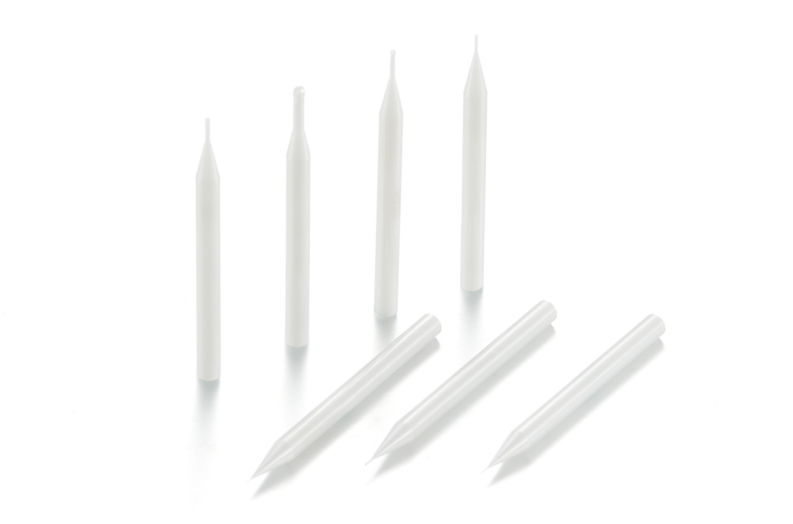
Zirconia (chemical formula: ZrO₂) is the main oxide of zirconium, appearing as white crystals under normal conditions. Its core properties are as follows:
High Melting Point and Chemical Stability: Melting point reaches 2715℃. It resists acid and alkali corrosion at high temperatures (except hot concentrated sulfuric acid and hydrofluoric acid).
Hardness Range of Zirconia Ceramics:
The Mohs hardness of zirconia ceramics is generally between 8 and 8.5, categorized as high-hardness materials. The hardness of some zirconia products can exceed 9, second only to diamond. The specific value depends on material type and test conditions. Tungsten steel has a Mohs hardness of 8.5-9, with HRA hardness of 86-92, equivalent to HRC 67-81.
Excellent Mechanical Properties: Thanks to high hardness, zirconia is widely applied in precision machining, dental restoration, electronic industry, high-temperature components for aerospace and energy sectors, watch manufacturing and other fields. Its superior hardness and mechanical properties endow it with great application value in various industrial fields.
Ceramic cutters adopt zirconia-based composite materials. For tungsten steel (mainly composed of carbon, tungsten and cobalt), its cobalt bonding phase is easily eroded by cutting agents, coolants or lubricants during use, accelerating the wear of carbide phase. Zirconia is free from such problems, with wear loss barely increasing with service time. Its cutting edge remains sharp for over four times longer than cemented carbide cutters.
Applicable Scenarios of Zirconia End Mills:
High-temperature and High-speed Machining: When machining nickel-based alloys and titanium alloys in aerospace industry, the high temperature resistance of zirconia reduces cutter wear.
Finishing of Non-ferrous Metals: For copper machining, low friction coefficient reduces built-up edge to extend tool life and improve surface finish. It prevents aluminum adhesion during aluminum and aluminum alloy machining, and its low thermal conductivity avoids workpiece deformation caused by cutting heat.
Engineering Plastics (e.g. PEEK, PTFE): The cutters feature ultra-sharp edges and low cutting resistance, suitable for precision forming of medical devices.
Composite Materials: For Carbon Fiber Reinforced Plastic (CFRP), zirconia provides excellent wear resistance against abrasive wear of carbon fibers and reduces delamination defects.
Alumina Ceramics (Al₂O₃): As a type of ceramic material, it avoids chemical diffusion wear. It achieves higher machining efficiency at lower costs compared with diamond cutters.
Cost and Service Life Balance:
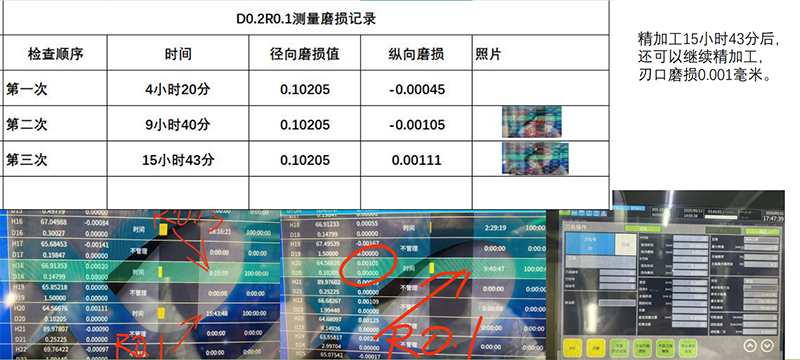
Zirconia: Higher unit cost, but its service life is about 4 times that of tungsten steel in high-temperature and high-precision working scenarios, making it more cost-effective for long-term use.
Purpose: To specify operation guidelines and production environment requirements for micro-diameter ceramic cutters, so as to achieve ideal machining results and make better use of the tools.
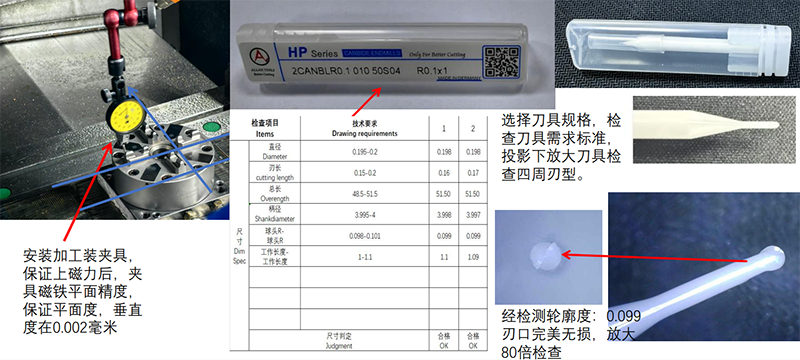
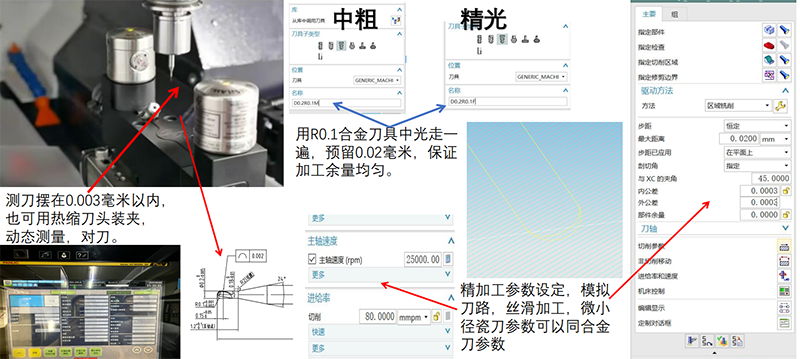
Machining Equipment: The equipment must feature high stability and high precision, with positioning accuracy within 0.003 mm and roundness within 0.002 mm. The spindle speed shall be above 25000 r/min. An automatic tool setter (accuracy: ±0.5 μm) is recommended for precise measurement of tool length and diameter. For ultra-precision machining, a vacuum chip removal device (suction ≥10kPa) is preferred to remove micro-scale chips in real time and prevent machining errors and tool wear caused by chip accumulation.
Clamping Method: Adopt high-precision tool holders, generally shrink-fit holders or hydraulic micro holders (clamping accuracy ≤1μm). Uniform clamping force shall be ensured to prevent tool runout (runout value: 3μm).
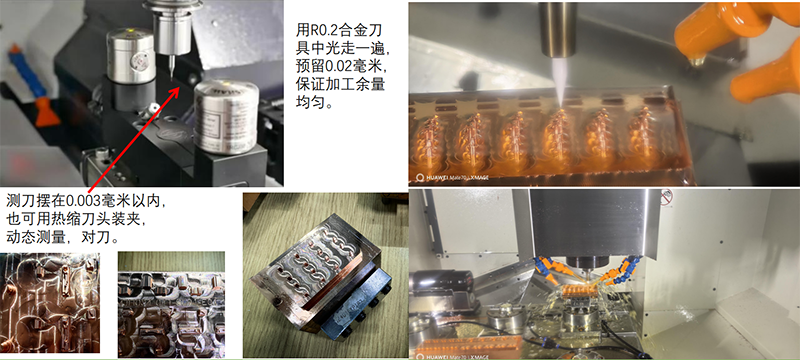
Machining Allowance Control: Uniform machining allowance is required. The allowance fluctuation shall be controlled within 0.02 mm before micro-diameter finishing to reduce the risk of tool breakage under load.
Transportation and Storage: Micro-diameter cutters shall be protected against vibration during transportation and handling. Equip with protective sleeves and place each cutter in an independent groove. Do not stack cutters directly. Avoid touching the cutting edge during operation. Handle gently and wear powder-free gloves. Do not use metal tweezers or knock the tool holder.
Machinable Materials: Copper, copper alloy, aluminum, aluminum alloy, graphite, industrial plastics, composite materials, nickel-based alloys and titanium alloys.
Cooling Methods: Air cooling, oil cooling, oil mist cooling, and combined air cooling & vacuum chip removal are all applicable.
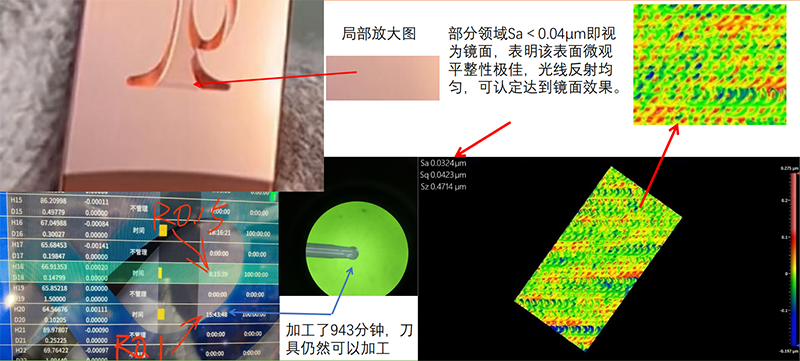
Machining Parameters: Refer to parameters of alloy cutters and increase the spindle speed by more than 20% while keeping the step distance and feed rate unchanged. Reduce step distance and increase spindle speed to obtain mirror surface finish.
Purpose: To test the surface finish of electrodes machined by micro-diameter ball cutter D0.2R0.1. The scheme is formulated as follows.
Machining Equipment: Yasda 650
Travel Range: 600x500x280
Spindle Speed: 40000RPM
Tool Holder: HSKE32
Positioning Accuracy: 0.002mm
Test Cutter: Ball Cutter D0.2R0.1
Machining Material: Red Copper
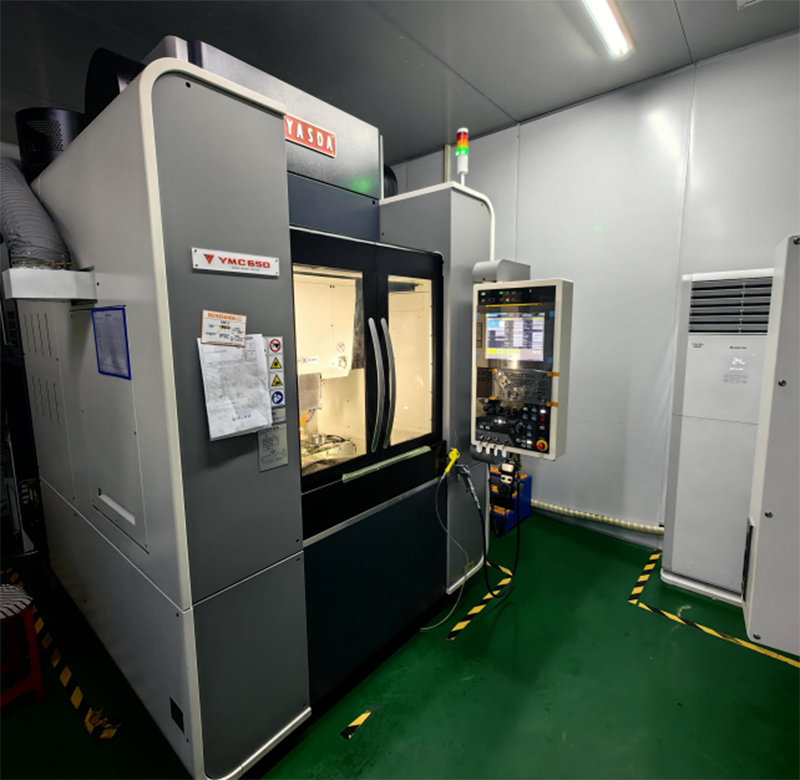
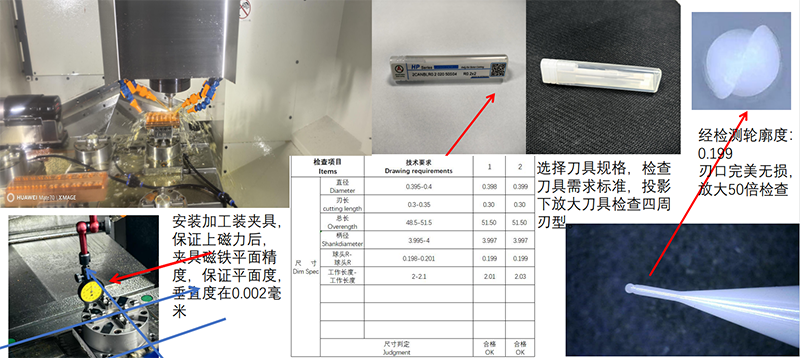
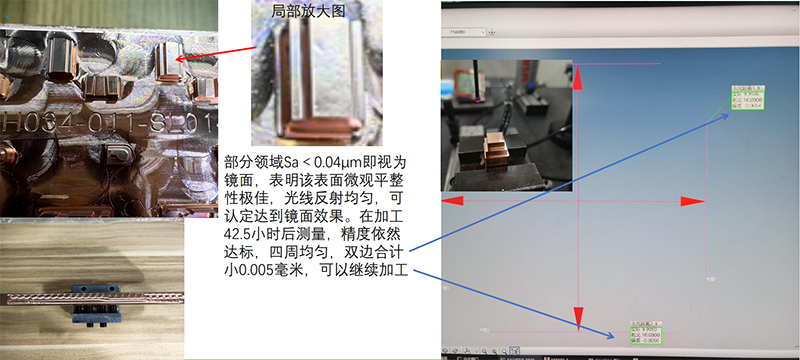
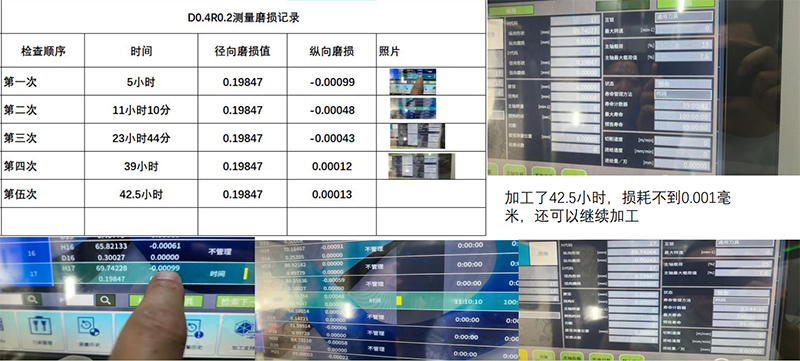
Purpose: To test the surface finish and service life of MIM electrodes machined by micro-diameter ball cutter D0.4R0.2. The scheme is formulated as follows.
Machining Equipment: Yasda 650
Travel Range: 600x500x280
Spindle Speed: 40000RPM
Tool Holder: HSKE32
Positioning Accuracy: 0.002mm
Test Cutter: Ball Cutter D0.4R0.2
Machining Material: Red Copper